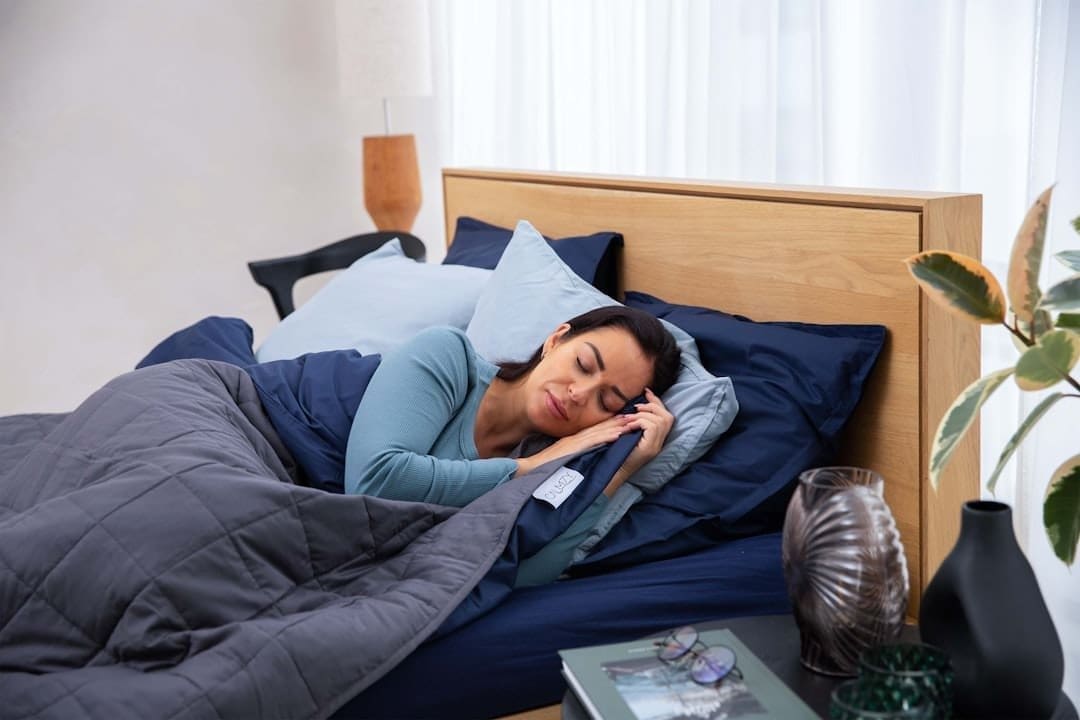

Sleep-disordered breathing (SDB) is a catch-all term for breathing issues that happen during sleep. Think of it as your breathing not quite behaving itself while you’re trying to get some shut-eye, and it can range from mild snoring to more serious conditions where your breathing repeatedly stops and starts. This isn’t just about a bad night’s sleep; SDB can have real impacts on your health and daytime functioning.
What Exactly is Sleep-Disordered Breathing?
At its core, sleep-disordered breathing refers to abnormal breathing patterns occurring during sleep. This can manifest in various ways, but the common thread is that your body isn’t getting the oxygen it needs consistently, or your brain is struggling to signal your body to breathe properly.
The Spectrum of SDB
It’s important to understand that SDB isn’t a single condition but rather a spectrum. At one end, you have less severe forms, and at the other, more serious ones.
Snoring: More Than Just Noise
You might think of snoring as a mere annoyance, but for some, it’s a red flag for SDB. Snoring happens when the airflow through your throat is partially blocked, causing vibrations. While occasional, light snoring might not be a major concern, loud, frequent, or irregular snoring can indicate an underlying issue.
Sleep Apnea: The Big One
This is perhaps the most well-known form of SDB. Sleep apnea is characterized by repeated pauses in breathing during sleep. These pauses, called apneas, can last for seconds or even minutes and can occur many times an hour. When breathing stops, your blood oxygen levels drop, and your brain briefly jolts you awake to resume breathing, often without you remembering it.
Obstructive Sleep Apnea (OSA)
This is the most common type. In OSA, the airway physically collapses or becomes blocked during sleep, usually due to the relaxation of throat muscles. Imagine your throat muscles relaxing so much that they effectively close off your airway.
Central Sleep Apnea (CSA)
Less common than OSA, CSA occurs when your brain doesn’t send the proper signals to the muscles that control breathing. Your airway isn’t blocked; the signal to breathe simply isn’t there.
Complex Sleep Apnea Syndrome (CompSAS)
This is a bit of a mixed bag, where a person initially has obstructive sleep apnea, but then central apneas emerge or persist after starting treatment for OSA.
Sleep-disordered breathing is a significant health concern that can lead to various complications if left untreated. For those looking to understand more about this condition and its implications, a related article can be found at the Sleep Respiratory Clinic. This resource provides valuable insights into the causes, symptoms, and treatment options available for sleep-disordered breathing. To explore this further, visit Sleep Respiratory Clinic.
Why Does Breathing Get Messed Up During Sleep?
Several factors can contribute to sleep-disordered breathing. It’s often a combination of things rather than a single cause.
Anatomical Factors
The physical structure of your airway plays a significant role.
Narrow Airway
Some people are just born with naturally narrower airways. This can be due to the shape of their jaw, their tongue size, or the size of their tonsils and adenoids.
Larger Tonsils and Adenoids
Especially in children, enlarged tonsils and adenoids can significantly obstruct the airway, leading to SDB.
Tongue Position
How your tongue rests in your mouth during sleep can impact airflow. If it falls back and blocks the airway, it can cause problems.
Jaw Structure
A small or receding lower jaw can contribute to a more constricted airway.
Neurological Factors
In the case of central sleep apnea, the brain’s signaling is the issue.
Brainstem Function
The brainstem is responsible for regulating breathing. If it’s not functioning optimally, it can lead to pauses in breathing.
Other Neurological Conditions
Certain neurological conditions, like stroke, heart failure, or spinal cord injuries, can sometimes affect the brain’s respiratory control centers.
Medications
Some medications, particularly those that suppress the central nervous system (like opioids), can also impact breathing during sleep.
Lifestyle and Other Factors
Several lifestyle choices and medical conditions can increase your risk.
Excess Weight
Carrying extra weight, especially around the neck, can put pressure on the airway and make it more likely to collapse during sleep.
Age
The risk of SDB generally increases with age.
Sex
Men are more likely to develop SDB than women, though this gap narrows after menopause.
Smoking
Smoking can irritate and inflame the airways, contributing to breathing problems during sleep.
Alcohol and Sedatives
These substances relax your throat muscles, making airway collapse more likely.
Certain Medical Conditions
Conditions like heart failure, kidney failure, and diabetes can increase the risk of SDB.
What Are the Signs and Symptoms?
Recognizing SDB can be tricky because many of the symptoms occur while you’re asleep, and you might not be aware of them. However, telltale signs often emerge during the day.
Daytime Symptoms
These are often the most noticeable indicators for individuals and their partners.
Excessive Daytime Sleepiness (EDS)
This is a hallmark symptom. You feel overwhelmingly tired during the day, even after a full night’s sleep. This can impact your work, social life, and overall functioning.
Falling Asleep Unintentionally
You might find yourself dozing off in inappropriate situations, like during meetings, while watching TV, or even while driving.
Morning Headaches
Waking up with a persistent headache is a common complaint for people with SDB, likely due to reduced oxygen levels overnight.
Difficulty Concentrating and Memory Problems
The lack of quality sleep and intermittent oxygen deprivation can significantly impair cognitive functions.
Irritability and Mood Swings
Feeling constantly tired and unwell can lead to increased frustration, moodiness, and difficulty managing emotions.
Dry Mouth or Sore Throat Upon Waking
This is often a result of breathing through your mouth during sleep due to airway obstruction.
Nighttime Symptoms
These are what a bed partner might notice or what you might experience without fully realizing it.
Loud, Frequent Snoring
As mentioned, this can be a major indicator, especially if it’s disruptive.
Pauses in Breathing
A bed partner might observe you stop breathing for short periods.
Gasping or Choking During Sleep
This is your body’s reaction to a lack of oxygen, often causing you to wake up momentarily.
Restless Sleep
You might toss and turn a lot, unable to find a comfortable position for a sustained period.
Frequent Awakenings
While you may not remember them, you might be waking up numerous times during the night due to breathing issues.
Frequent Urination at Night (Nocturia)
This can sometimes be linked to SDB due to changes in hormone levels.
How is Sleep-Disordered Breathing Diagnosed?
Diagnosing SDB typically involves a thorough medical evaluation and a sleep study. It’s not something you can self-diagnose effectively.
Medical History and Physical Examination
Your doctor will start by asking about your symptoms, sleep habits, and overall health. They’ll also perform a physical exam, looking specifically at your mouth, nose, and throat for any anatomical factors that might be contributing.
Sleep Diary
Keeping a sleep diary can be helpful. You’ll record when you go to bed, when you wake up, how you feel during the day, and any notable sleep events.
Sleep Study (Polysomnography)
This is the gold standard for diagnosing SDB.
What Happens During a Sleep Study?
During a polysomnogram (PSG), you’ll spend a night in a sleep lab. Technicians will attach sensors to your body to monitor various physiological functions:
Brain Waves (EEG)
To determine sleep stages.
Eye Movements (EOG)
Also to assess sleep stages.
Muscle Activity (EMG)
To detect subtle movements and awakenings.
Heart Rate and Rhythm (ECG)
To monitor your cardiovascular system.
Breathing Effort and Airflow
Measuring how much you inhale and exhale, and the speed of airflow.
Blood Oxygen Levels (Pulse Oximetry)
Crucial for identifying drops in oxygen saturation.
Snoring and Other Sounds
Microphones pick up any snoring or other noises.
Types of Sleep Studies
- In-Lab Polysomnography: This is the most comprehensive type, conducted in a specialized sleep lab.
- Home Sleep Apnea Testing (HSAT): For less complex cases, a portable device can be used at home to monitor breathing, oxygen levels, and heart rate. It’s usually used to diagnose obstructive sleep apnea.
Sleep-disordered breathing is a significant health concern that can lead to various complications if left untreated. For those interested in understanding more about the implications and treatments available, a related article can be found at Sleep Respiratory Clinic. This resource provides valuable insights into the causes, symptoms, and management strategies for individuals suffering from these conditions, highlighting the importance of seeking professional help for better sleep health.
What are the Treatments for Sleep-Disordered Breathing?
The good news is that most forms of SDB are treatable. The approach depends on the specific type and severity of the condition.
Lifestyle Modifications
Often the first line of defense, especially for milder cases.
Weight Loss
If excess weight is a contributing factor, losing even a small amount can make a big difference in opening up the airway.
Avoiding Alcohol and Sedatives
Cutting back on or eliminating alcohol and certain medications, especially before bedtime, can help by reducing muscle relaxation.
Positional Therapy
For some people, SDB is worse when sleeping on their back. Techniques to encourage side sleeping (like sewing a tennis ball into the back of your pajamas) can be effective.
Nasal Decongestants or Sprays
If nasal congestion is contributing to airway obstruction, these can offer some relief.
Positive Airway Pressure (PAP) Therapy
This is the most common and effective treatment for moderate to severe sleep apnea.
Continuous Positive Airway Pressure (CPAP)
A CPAP machine delivers a constant stream of pressurized air through a mask worn over your nose and/or mouth. This gentle pressure keeps your airway open, preventing apneas.
Different Mask Types
CPAP masks come in various styles (nasal pillows, nasal masks, full-face masks) to accommodate individual preferences and needs.
Bi-Level Positive Airway Pressure (BiPAP/BPAP)
Similar to CPAP, but it delivers two different pressure levels: a higher pressure when you inhale and a lower pressure when you exhale. This can be more comfortable for some individuals.
Auto-Adjusting Positive Airway Pressure (APAP)
APAP machines automatically adjust the air pressure throughout the night based on your breathing patterns, providing a customized level of support.
Oral Appliances
These are custom-made devices worn in the mouth during sleep.
Mandibular Advancement Devices (MADs)
These appliances reposition your lower jaw and tongue forward, helping to keep the airway open. They are often effective for mild to moderate obstructive sleep apnea.
Tongue Retaining Devices (TRDs)
These devices hold your tongue in a forward position, preventing it from falling back and obstructing the airway.
Surgery
Surgery is usually considered when other treatments haven’t been effective or for specific anatomical issues.
Uvulopalatopharyngoplasty (UPPP)
This surgery removes excess tissue from the back of the throat, including the uvula, soft palate, and parts of the pharynx.
Maxillomandibular Advancement (MMA)
A more complex surgery that moves the upper and lower jaws forward to enlarge the airway.
Nasal Surgery
Procedures to correct a deviated septum or enlarge nasal passages can sometimes help improve airflow.
Other Procedures
Depending on the cause, surgery might involve removing tonsils and adenoids, removing excess tissue from the tongue, or implanting devices to stimulate nerves.
Other Therapies
For central sleep apnea, treatment can differ.
Adaptive Servo-Ventilation (ASV)
This is a more advanced PAP device that can adjust to your breathing patterns, particularly useful for central sleep apnea.
Medications
In some cases, medications might be used to stimulate breathing.
Treating Underlying Conditions
If SDB is related to another medical issue like heart failure, treating that condition can often improve sleep-disordered breathing.
Understanding sleep-disordered breathing is the first step toward addressing it. If you suspect you or someone you know might be experiencing SDB, reaching out to a healthcare professional is crucial. Getting a proper diagnosis and the right treatment can significantly improve sleep quality, health, and overall well-being.
FAQs
What is sleep-disordered breathing?
Sleep-disordered breathing is a group of disorders characterized by abnormal breathing patterns during sleep. This can include conditions such as snoring, obstructive sleep apnea, and central sleep apnea.
What are the symptoms of sleep-disordered breathing?
Common symptoms of sleep-disordered breathing include loud or frequent snoring, gasping or choking during sleep, excessive daytime sleepiness, morning headaches, and difficulty concentrating.
What are the risk factors for sleep-disordered breathing?
Risk factors for sleep-disordered breathing include being overweight or obese, having a narrow airway, having a family history of sleep apnea, being male, being over the age of 40, and using alcohol or sedatives before bed.
How is sleep-disordered breathing diagnosed?
Sleep-disordered breathing is typically diagnosed through a sleep study, which can be conducted in a sleep clinic or at home. During the study, various parameters such as breathing patterns, oxygen levels, and heart rate are monitored while the individual sleeps.
What are the treatment options for sleep-disordered breathing?
Treatment options for sleep-disordered breathing may include lifestyle changes (such as weight loss and avoiding alcohol before bed), the use of continuous positive airway pressure (CPAP) therapy, oral appliances, and in some cases, surgery. It is important to consult with a healthcare professional to determine the most appropriate treatment for individual cases.